

After inheriting my grandmother’s rental property, I worried about crushing depreciation rules and high taxes. A friend at my church recommended Jared for cost segregation. He visited the condo, snapped photos of plumbing and electrical systems, and then broke down how faster depreciation on specific elements would save me thousands. The process felt effortless—I just uploaded my depreciation schedules to his portal—and my accountant was impressed with the new deductions.
David M.
Jared Montoya’s blend of expertise in tax credits and incentives, are unparalleled. His ability to tailor his services to individual needs while maintaining a high standard of professionalism is what sets him apart in the field.
Eliseo O.
I had a great experience working with Jared. He took the time to sit down with me and go over everything and was always there whenever I had any questions. I would highly recommend Jared and his services.
Steve M. – Realtor
ACTUAL CLIENT
COST SEGREGATION
BEFORE AND AFTER
$130,200 BACK TO CLIENT
Frequently asked questions
If Cost Segregation was not used on previous year’s tax returns, they can be refiled using Cost Segregation. We can refile up to 3 years previous years of Federal returns often resulting in a substantial refund.
- Study Completion: 20–50 days to produce the engineering report.
- Refiling Method: Application for Change in Accounting Method, which allows catching up on missed depreciation from previous years without amending each past return.
- Refund Receipt: The resulting tax deduction is taken in the current year, providing immediate savings. (If an amended return is required, it can take 16 weeks or longer for the IRS to process).
Example & ROI Scenario
- Retroactive Filing: A Cost Segregation Study can be applied to properties purchased years ago.
- $750k Property Example: A $5,000 study reclassifies 30% of a property’s $600k value ($180k) into shorter-lived assets. this provides roughly $66,600 in first-year tax savings. 8 times the return on investment. (100% bonus depreciation, assuming a 37% tax rate).
- Call to get an ROI estimate on your property in minutes.
- No, Cost Segregation is Not Aggressive. It is the most accurate method of accounting for estate depreciation. It allows real estate owners to accelerate depreciation deductions on components like flooring or landscaping (5-15 years) rather than the building itself (27.5-39 years). A proper engineering-based study is a legitimate, compliant tax-planning tool.
Generally, it is about $5000 for most residential properties. This includes having the engineer go out to the property. Prior to spending any money, you will know how much the cost will be, and the estimated amount of the refund.
- Most of the time home owners have filed for years and years without utilizing a cost segregation study. We go back and do the cost segregation on multiple years of filings. In one year it is updated. The amount received is often substantial.
$200,000 Short-Term Rental:
Before: $5,000 – $6,000 depreciation annually.
After: $70,000 immediate deduction (35% of assets reclassified), saving $21,000 in taxes in year one (at 30% rate)
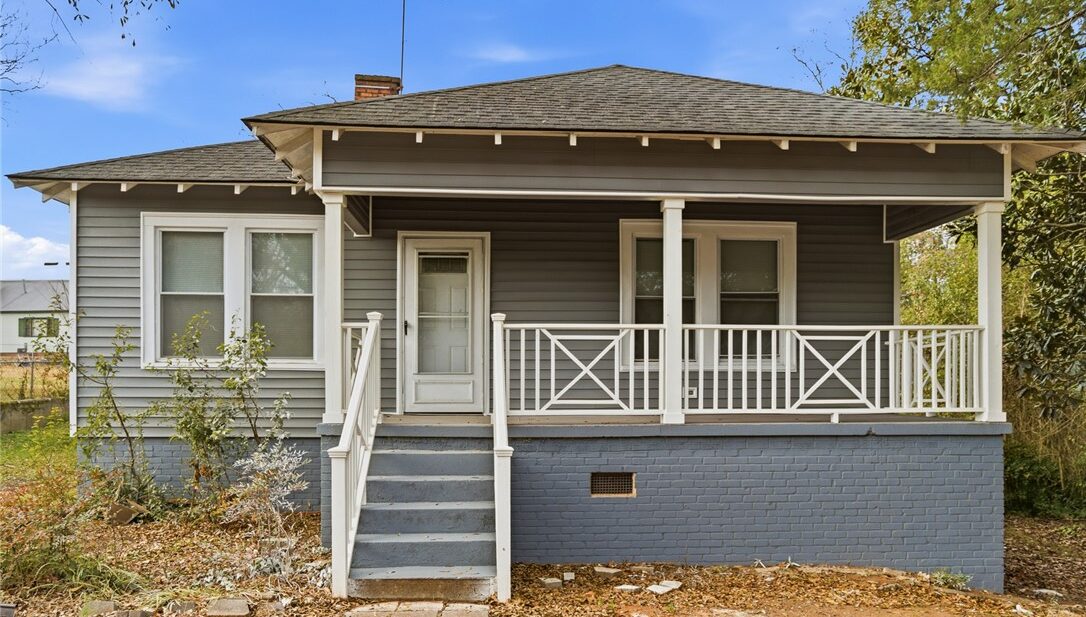
$21,000 REFUND
$1.4 Million Apartment Building:
Before: $30,246 in first-year depreciation.
After: $320,426 in accelerated first-year depreciation.
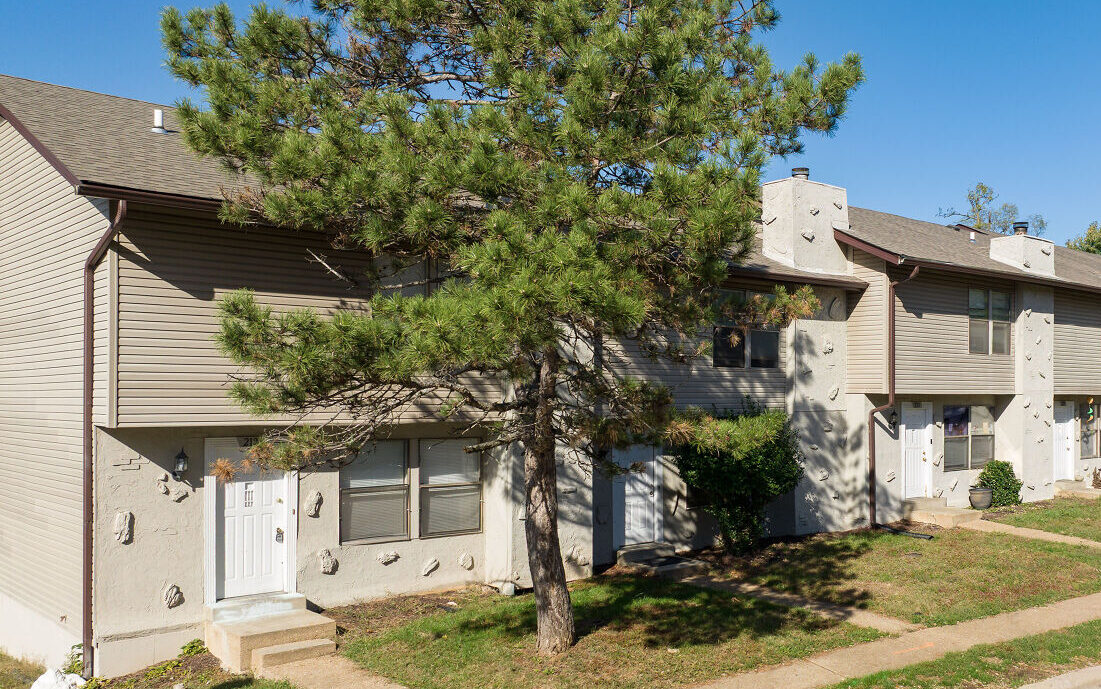
$118,500 REFUND
$2 Million Commercial Building:
Before: $41,000 annual depreciation (39-year straight-line), resulting in roughly $15,000 tax savings (at 37% bracket).
After: $625,000 first-year deduction (reclassifying 37.5% of value), resulting in $231,000 first-year tax savings.

$231,000 REFUND
$28 Million Construction Project:
Before: Standard depreciation resulted in low initial deductions.
After: 24% of costs (6.9 million) reclassified, providing $2.3 million in immediate tax savings
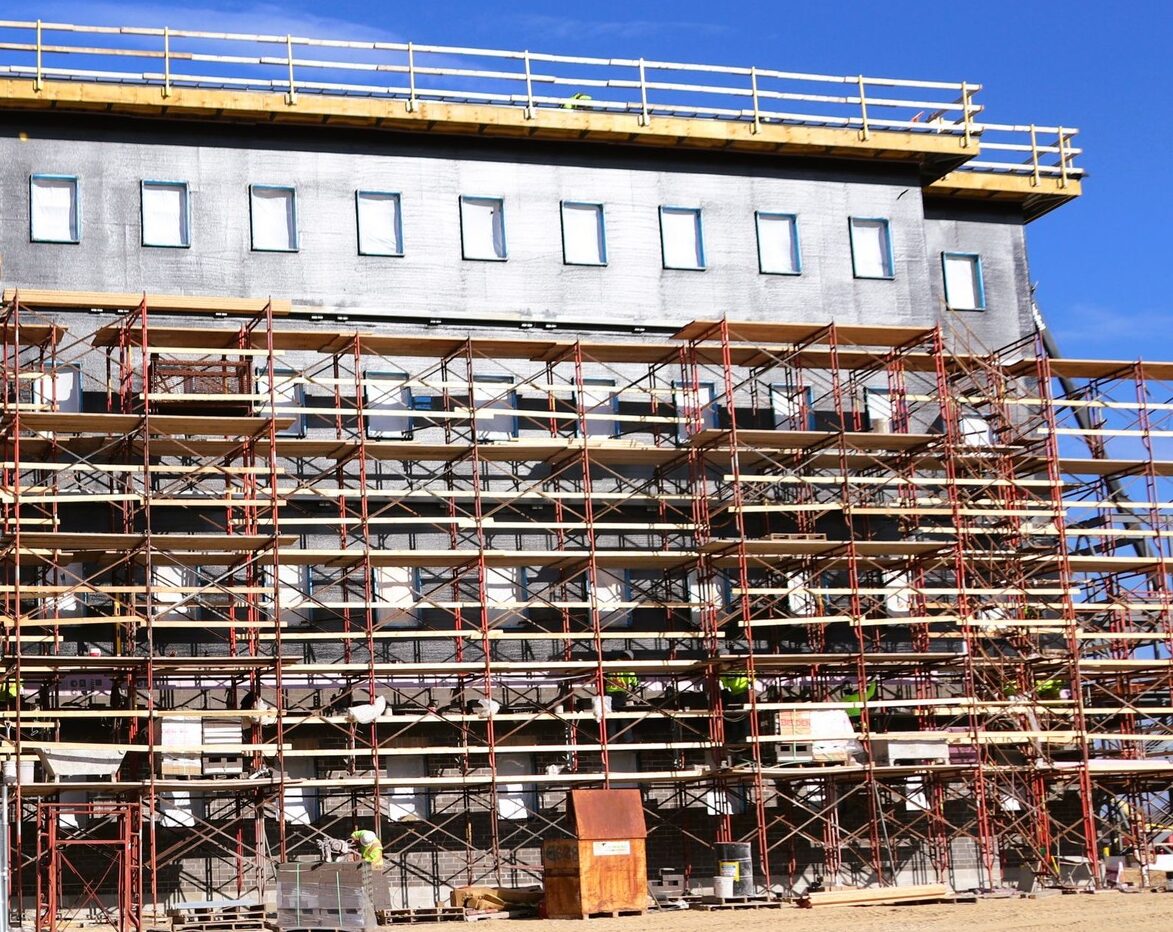
$2,300,000
Why did the IRS establish
Depreciation as an Incentive?
The IRS comes up with incentives to motivate businesses to do certain things with their money that enhances the community. Buying assets supports other businesses, which ultimately enhances their community. Depreciation of assets was established to give money back to businesses as a way to incentives them to buy assets. This means the amount of money you spend on qualified assets, is given back to you over time through a tax deduction. When you don’t use Cost Segregation on a rental property, you are not getting the full value of this deduction.
PERSONAL
PROPERTY
BUILDING
STRUCTURE
LAND
IMPROVEMENTS
Can I do the Cost Segregation study by myself?
A licensed contractor or engineer is required to perform the inspection needed for the cost segregation study.
IRC Section 1245 vs 1250. But the simple answer is yes. You can do it. We can help you, so that you do it within the established guidelines.